Are You Getting the First 5% Right?
What Founders Miss Before Engineering Even Starts

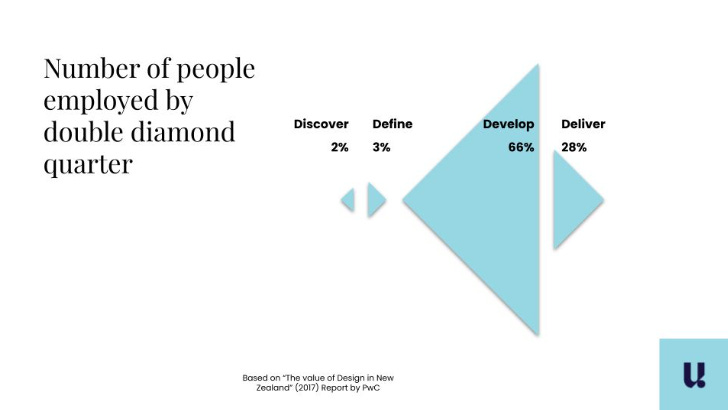
Get the First 5% Right
In my last few posts, I’ve talked about some of the foundations needed to build and deliver better software products. Product leadership can’t be left solely in the founder’s hands; there’s a benefit in hiring a product leader who can objectively validate and refine ideas, driving towards product market fit while the founder focuses on the business more broadly. I’ve also written about alignment attrition - why project teams lose their way, and how to minimize those risks by capturing shared understanding in visual artifacts.
But recent conversations with founders made me realize that many of them don’t understand the skills required to deliver on their product vision. More often than not, User Experience (UX) isn’t even on their radar. In my consulting career I’ve had this conversation hundreds of times, but today, the dialogue has shifted. Founders tell me, “I can hire a designer in India,” or, “I can do that with AI.” And it’s true - you can turn a Sharpie sketch into a wireframe, and then into code with today’s tools.
These founders are preserving their funds, because they worry about what seems like a significant up-front effort. But here’s what’s misunderstood: the real cost is in engineering. The design and definition phases - the first 5% of the overall effort - are about making sure all the human capital spent on engineering is actually moving in the right direction.
Skipping ahead to engineering is like starting construction before the architect has drawn the plans or before the builder understands who’ll live there.
The Quiet Power of the Right Roles
What most founders miss is that shaping real product direction and requirements requires Business Analysts and User Experience professionals - though in early-stage companies, these may not be dedicated seats. However, both types of insight are absolutely critical to whether your solution succeeds or fails.
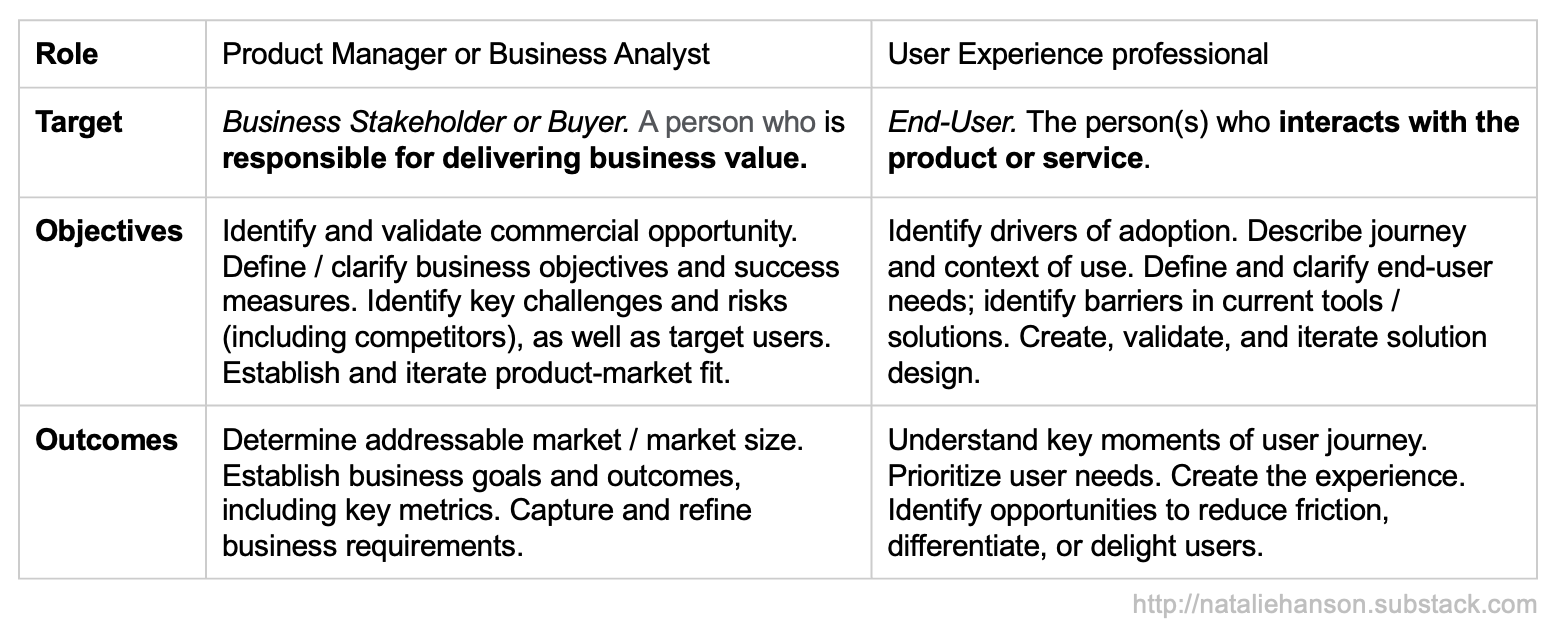
The Product Manager / Business Analyst is the voice of business value. User Experience brings so much more than screen design - the UX practitioner is the advocate for the end user; a focus on screens risks product adoption in the long run. Both the business and user perspective ensure that crucial insights don't slip through the cracks.
The Bottom Line
This ties back to my post earlier this week about failed technology projects. Here’s the bottom line - the up-front 5% - the time and attention spent on discovering, defining, and aligning - is what separates products that limp into the market from those that leap in. Yes, the AI tool of your choice can spit out mockups. But if you skip the step of asking nuanced questions about who you’re building for, what problem you’re solving, and why, you’re introducing risk at the very outset.
So, before a single line of code gets written, have you invested in these perspectives? Are you inviting both business and user mindsets into the discovery process?
I'd love to hear from you. Have you ever regretted skipping the first 5%? How did thoughtful business analysis or user experience shape (or save) one of your projects? I’d love to hear your story - hit reply or share in the comments.